
Updated: January 11, 2019
Asbestos Risks in the Home
Buyers and homeowners should be aware that homes built before 1980 may contain older, toxic forms of construction such as asbestos.
Naturally we all hope and expect that a home is built with safe products, but that is not always the case. The use of asbestos in building materials was thought to be safe to use by builders but it was discovered that exposure to it was toxic. Actually, manufacturers of asbestos knew of its harmful qualities, but repressed this information from the public on behalf of financial gains.
As the famous Maya Angelou quote goes, “I long, as does every human being, to be at home wherever I find myself.” The path to owning a home is one of the great American traditions, but one that will bring additional responsibilities.
Structural repairs are often needed for those who reside in areas that are susceptible to natural disasters such as hurricanes. Potential home buyers or those seeking to remodel older homes should be aware that homes built before 1980 may contain older, toxic forms of construction such as asbestos.
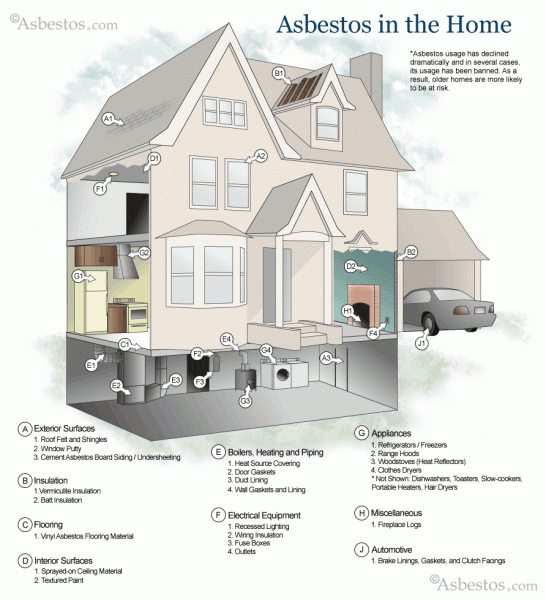
Building Products That Used Asbestos
Asbestos is a fibrous mineral used throughout the 20th century in a variety of industry applications such as: insulation, piping, flooring and brake lining. The use of asbestos was widespread due to its heat and flame resistant qualities. Aside from the mining industry, asbestos entered Florida in a variety of domestic and industrial products. By taking simple precautions, you can easily prevent asbestos exposure from occurring in your home. There are now many healthy alternatives that make the use of harmful construction applications obsolete.
Although asbestos that is in good condition and not broken down may not pose a risk, frequent exposure can potentially lead to the development of a lung ailment known as mesothelioma. Contracted only through asbestos exposure, mesothelioma treatments vary from patient to patient but physician prognosis is usually poor.
The amount of asbestos incidents in the 20th century has been met with intense scrutiny and lead to mesothelioma lawyers advocating victim rights. Manufacturers of asbestos knew of its harmful qualities, but repressed this information from the public on behalf of financial gains.
The use of asbestos has not been totally banned in the United States, there are still some building products that contain it. It’s use has just been limited to things like shingles, vinyl floor tiles, pipeline wrapping, and other things you would find in the bones of the house. The EPA Government US Federal Bans on Asbestos has a list of all products not banned from asbestos use.
There are several ongoing evaluations continuing that may prohibit these uses, so they may be banned in the future. Further information on this is also listed at the EPA website page listed in the previous paragraph.
What Do You Do If You Suspect Asbestos Was Used in Your Home
If any hazardous materials or asbestos is suspected, it is best to leave it un-disturbed until a professional home inspector can examine the scene. If removal is necessary, it must be performed by a licensed abatement contractor who is trained in handling these materials. Florida Department of Environmental Protection administers an asbestos removal program and has initiated an awareness campaign to teach home owners to identify asbestos insulation.
The Mesothelioma Center has an extensive website and free MESOTHELIOMA AND ASBESTOS GUIDE for learning about asbestos. Hiring an asbestos abatement company, and not doing it yourself, is the wisest and safest decision when it comes to removing asbestos from any residential, commercial or public building.
Asbestos abatement companies will properly test for the toxic mineral, follow strict regulations and processes, and carry the right abatement removal equipment to keep them, others and you safe from exposure.
The Mesothelioma Guide for Asbestos Abatement includes:
- Understanding the Dangers of Asbestos
- Why Is Asbestos Abatement Important?
- Tips for Hiring an Asbestos Abatement Company
- Asbestos Abatement Process
- Asbestos Abatement Costs
Eco-Sustainable Options That Can Replace Asbestos Products
Eco-sustainable options should be considered as long term replacements to asbestos. These include the use of recycled building materials such as cellulose, cotton fiber and lcynene foam. These green alternatives possess the same characteristics as asbestos, but are completely safe. The use of these materials such as lcynene will not only provide a safe form of insulation, but can significantly reduce annual energy costs in the home by 25 percent.
The move to a greener lifestyle in Florida is helping lead the nation in change to more energy and healthy forms of building products. These new environmentally-sustainable alternatives create healthier, quieter and more energy efficient homes in the 21st century.
Thanks to guest blogger: Allan Marrero
Mesothelioma Cancer Center