
Looking To Move?
It Could Be Time To Build Your Dream Home
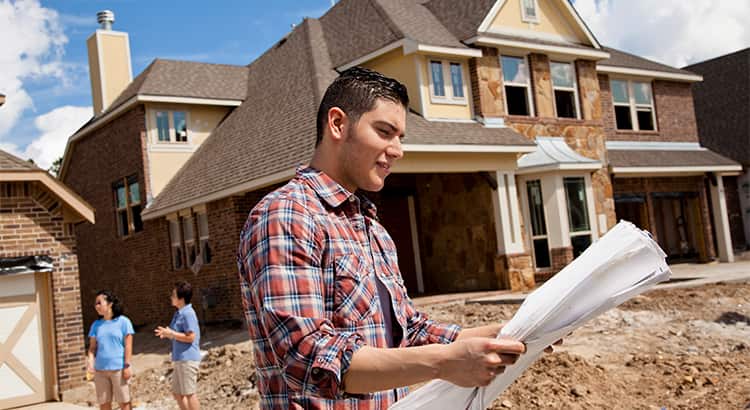
While today’s supply of homes for sale is still low, the number of newly built homes is increasing. If you’re ready to sell but have held off because you weren’t sure you’d be able to find a home to move into, newly built homes and those under construction can provide the options you’ve been waiting for.
The latest Census data shows the inventory of new homes is increasing this year (see graph below):

With more new homes coming to the market, this means you’ll have more options to choose from if you’re ready to buy. Of course, if you do consider a newly built home, you’ll want to keep timing in mind. The supply shown in the graph above includes homes at various stages of the construction process – some are near completion while others may be months away.
According to Robert Dietz, Chief Economist and Senior VP for Economics and Housing Policy for the National Association of Home Builders (NAHB):
“28% of new home inventory consists of homes that have not started construction, compared to 21% a year ago.”
Buying a home near completion is great if you’re ready to move. Alternatively, a home that has yet to break ground might benefit you if you’re ready to sell and you aren’t on a strict timeline. You’ll have an even greater opportunity to design your future home to suit your needs. No matter what, your trusted real estate advisor can help you find a home that works for you.
5 Tips When Buying a Newly Constructed Home
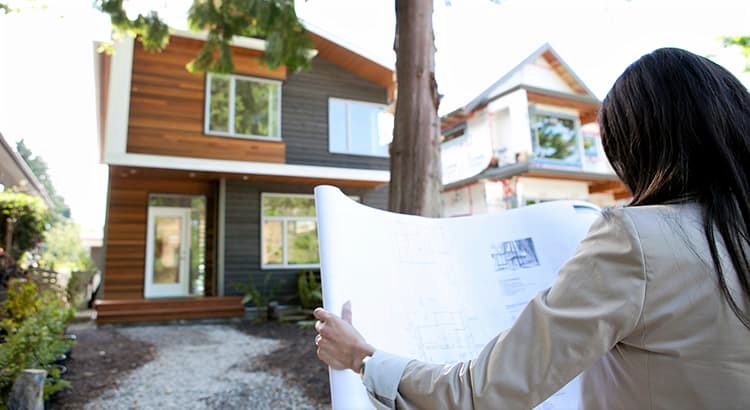
The lack of existing inventory for sale has forced many homebuyers to begin looking at new construction. When you buy a newly constructed home instead of an existing home, there are many extra steps that must take place.
To ensure a hassle-free process, here are 5 tips to keep in mind if you are considering new construction:
1. Hire an Inspector
Despite the fact that builders must comply with town and city regulations, a home inspector will have your best interests in mind!
When buying new construction, you will have between 1-3 inspections, depending on your preference (the foundation inspection, the pre-drywall inspection, and a final inspection).
These inspections are important because the inspector will often notice something that the builder missed. If possible, attend the inspection so that you can ask questions about your new home and make sure the builder fixes any problems found by the inspector.
2. Maintain good communication with your builder
Starting with the pre-construction meeting (where you will go over all the details of your home with your project manager), establish a line of communication. For example, will the builder email you every Friday with progress updates? If you are an out-of-state buyer, will you receive weekly pictures of the progress via email? Can you call the builder and if so, how often? How often can you visit the site?
3. Look for builder’s incentives
The good thing about buying a new home is that you can add the countertop you need, the mudroom you want, or an extra porch off the back of your home! However, there is always a price for such additions, and they add up quickly!
Some builders offer incentives that can help reduce the amount you spend on your home. Do your homework and see what sort of incentives the builders in your area are offering.
4. Schedule extra time into the process
There are many things that can impact the progress on your home. One of these things is the weather, especially if you are building in the fall and winter. Rain can delay the pouring of a foundation as well as other necessary steps at the beginning of construction, while snow can freeze pipes and slow your timeline.
Most builders already have a one-to-two-week buffer added into their timelines, but if you are also in the process of selling your current home, you must keep that in mind! Nobody wants to be between homes for a couple of weeks.
5. Visit the site often
As we mentioned earlier, be sure to schedule time with your project manager at least once a week to see the progress on your home. It’s easy for someone who is not there all the time to notice little details that the builder may have forgotten or overlooked. Additionally, don’t forget to take pictures! You might need them later to see exactly where that pipe is or where those electrical connections are once they’re covered up with drywall!
Bottom Line
If you want to take advantage of today’s sellers’ market, but you’re not sure if you’ll be able to find a home to move into, consider a newly built home.
Watching your home come to life is a wonderful experience that can sometimes come with hassles. To avoid some of these headaches, keep these tips in mind!
If you are ready to put your current home on the market and find out what new construction is available in your area, let’s get together to discuss your options!